How to Turn Visual Data into a Strategic AI Advantage
AI is developing at an incredible pace. New models, copilots and agents are becoming increasingly powerful. Almost every organisation is…
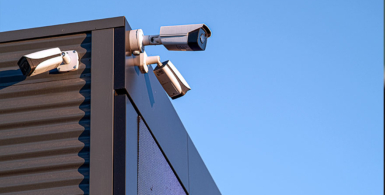
Real-time video analytics and forensic search both use Vision AI, but at a different moment and for a different purpose. Real-time analytics helps detect events while they are happening. Forensic search helps users quickly find relevant footage afterwards and investigate what happened.
With real-time Vision AI, incoming camera footage is analysed immediately. The system can, for example, detect that someone enters a restricted area, that a vehicle is travelling in a certain direction, or that an employee is not wearing a safety helmet. Based on predefined rules, the system can then automatically send an alert. An employee can subsequently assess whether action is required.
Real-time does not mean that there is no delay at all. Analysing footage, processing a detection and sending an alert always takes some time. The main purpose is to detect an event quickly enough to allow action during or immediately after the situation.
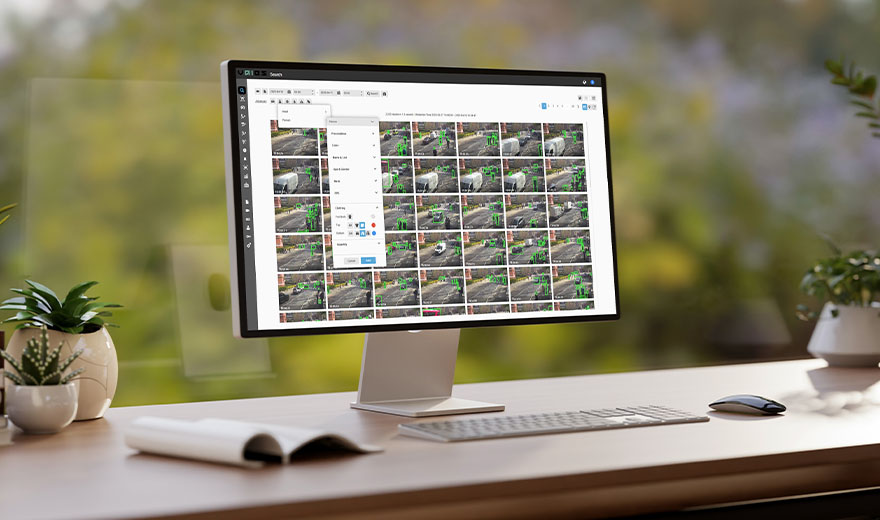
Forensic search is used to search recorded video footage afterwards. Instead of manually reviewing hours or even days of video, a user can search for specific events or objects, such as:
The available search options depend on the Vision AI platform and on the information that has been extracted and indexed from the video footage. This analysis can already take place while the footage is being recorded, making metadata immediately available for investigation. In some situations, recorded video footage can also be analysed afterwards.
The main difference between real-time video analytics and forensic search is the moment at which Vision AI is used and the purpose of the analysis. With real-time analytics, the central question is: What is happening now, and do we need to take action?
With forensic search, the question is: What happened, and which footage is relevant to the investigation? Real-time Vision AI therefore focuses mainly on detection and rapid response. Forensic search focuses on finding, reconstructing and investigating events afterwards.
Yes. In fact, combining both capabilities can provide significant value. A real-time detection may, for example, indicate that someone has entered a restricted area. After receiving the alert, an employee can use forensic search to investigate where that person came from, which route they followed and what happened before the alert was triggered. The reverse is also possible. Findings from a forensic investigation may lead to new real-time detection rules being configured.
Real-time Vision AI helps organisations detect events quickly. Forensic search helps them find the right footage afterwards and reconstruct what happened. Together, they support both immediate response and efficient investigation.